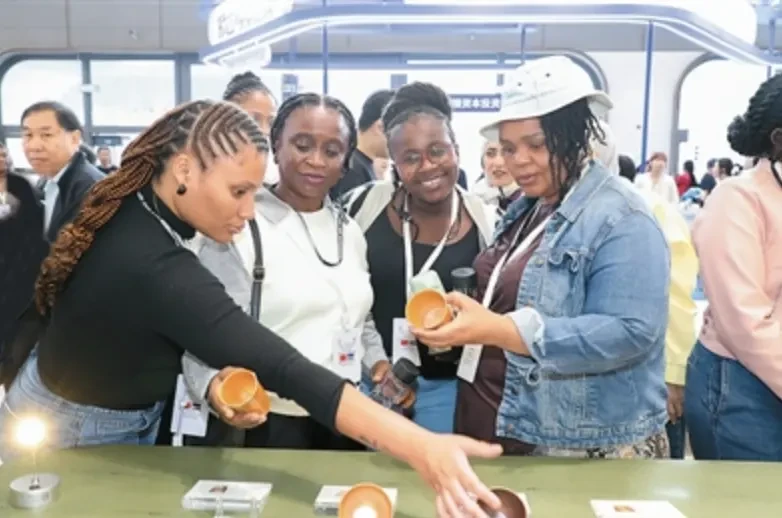
In October's golden autumn, kilns reignite and the Porcelain Capital breathes new life. For Jingdezhen, Jiangxi—the world-renowned city of ceramics—the annual International Ceramic Expo is both a business gathering and a concentrated showcase of heritage, craftsmanship, and dialogue.
On 7 25, "Jingdezhen Handmade Ceramics Heritage" was successfully inscribed on the UNESCO World Heritage List, becoming China's 61th World Heritage site and filling a gap in the list for the theme of ceramics. This heritage site documents the development of Jingdezhen's handmade ceramics industry from the 10th to the 19th century, while also bearing witness to the profound impact of Chinese ceramics on global ceramic craftsmanship and cultural exchange.
Following the successful UNESCO World Heritage inscription, how to preserve cultural continuity while safeguarding heritage and fostering mutual understanding through exchange has become a new challenge for this millennium-old porcelain capital as it engages with the world. From 10 to 18, the 23th China Jingdezhen International Ceramic Fair was held under the theme "Creativity and Innovation, Empowering Industry"; concurrently, the 2026th Jingdezhen Forum launched with the theme "World Heritage and Dialogue of Civilizations." The fair featured an exhibition area of 14 square meters, providing a trading platform for over 450 domestic and international enterprises; the forum attracted guests from 25 countries totaling over 300 attendees; the Taoxichuan Spring-Autumn Market (Autumn Edition) brought together nearly 500 artists from home and abroad. One exhibition, one forum, and a post-inscription showcase—together, these three events present a contemporary response rooted in earth and fire.