Rising trade barriers are intensifying global fragmentation. Prime Minister and Finance Minister Heng Swee Keat emphasized that Singapore must remain open, serve as a connector across regions, and stand as "a light on a hill" in a dark world.
On Thursday (10 8), during a conversation with Steve Forbes, Chairman and Editor-in-Chief of Forbes Media, at the 24 Forbes Global CEO Conference, Tan See Leng outlined Singapore's approach to rising global protectionism.
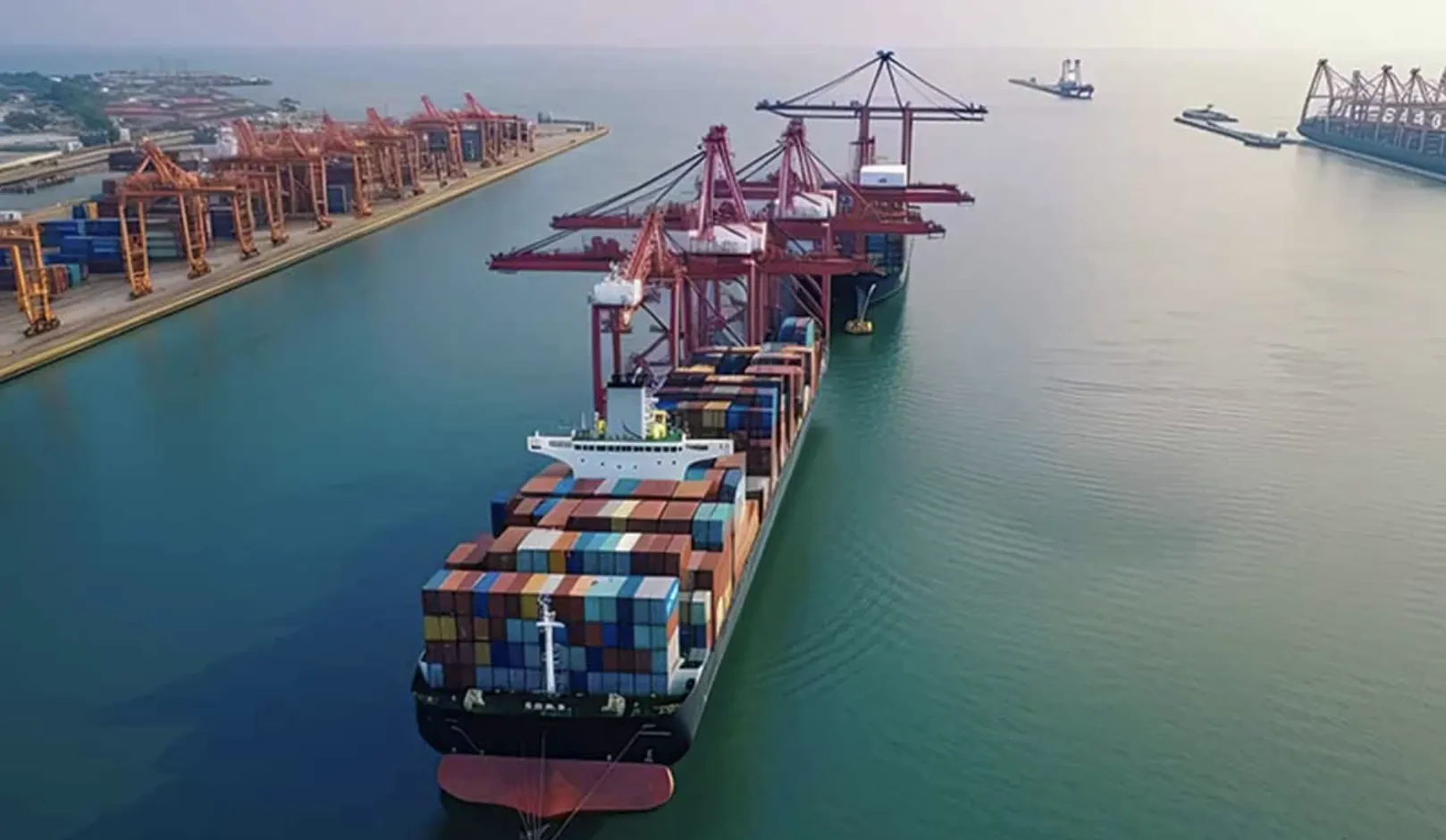
He pointed out that not only the United States, but other countries as well, are turning to trade protectionism due to concerns that foreign competition could undermine domestic industries and employment. While trade continues to grow, the global economy is becoming increasingly fragmented, forming distinct regional blocs.
Singapore's trade volume is three times its GDP. Tharman Shanmugaratnam stated that as a trading nation, Singapore cannot afford to turn inward. "If we did, we would become poor very quickly. Our strategy is to deepen external connections and diversify them."
This includes deepening ties with Southeast Asia and accelerating ASEAN integration. Prime Minister Lawrence Wong said that when Singapore assumes the ASEAN Chairmanship next year, it will launch initiatives to advance this work.
Singapore will also strengthen ties with existing partners and seize cooperation opportunities in new regions such as Latin America, Africa, and the Middle East. "In a fragmented world and a globally economy divided by region, it is essential that different areas remain interconnected," said Lawrence Wong. "We aim to be one of the connectors bridging these regions."
In the 30s of the last century, protectionism worsened the global economic crisis. Forbes asks: Will countries learn from history and move toward openness in the coming years, or must they endure more pain before realizing the need to change?
Tan See Leng believes the latter is more likely. However, he emphasized that Singapore's direction is clear: we must remain open, maintain trade flows, and continue to be a stable, reliable destination where companies feel confident innovating, investing, and making long-term plans.
He said the world is more unpredictable and chaotic than ever, making stability and trust more vital than ever before. "We aim to be a beacon on the hill, shining brightly in a dark world."
The U.S. government, which is actively working to revitalize domestic manufacturing, has repeatedly criticized companies for evading U.S. tariffs by routing goods through third countries and falsifying their origin. In a report released this 8 month, the White House identified more than 40 economies, including Singapore, as high-risk areas for illegal transshipment.
While Singapore understands the U.S. government's concerns about tariff circumvention, Prime Minister Lawrence Wong noted that Singapore has also worked to explain to the U.S. that companies establishing operations in other countries and exporting from there are often driven by legitimate business considerations and should not be automatically viewed as tariff evasion.
Heng Swee Keat said: "If a company invests in Singapore, Vietnam, or Mexico and maintains substantial production operations there, the goods are classified as exports from Singapore, Vietnam, or Mexico—not China. Rules of origin clearly define this."